
Last Updated on June 28, 2026 by Shakitha
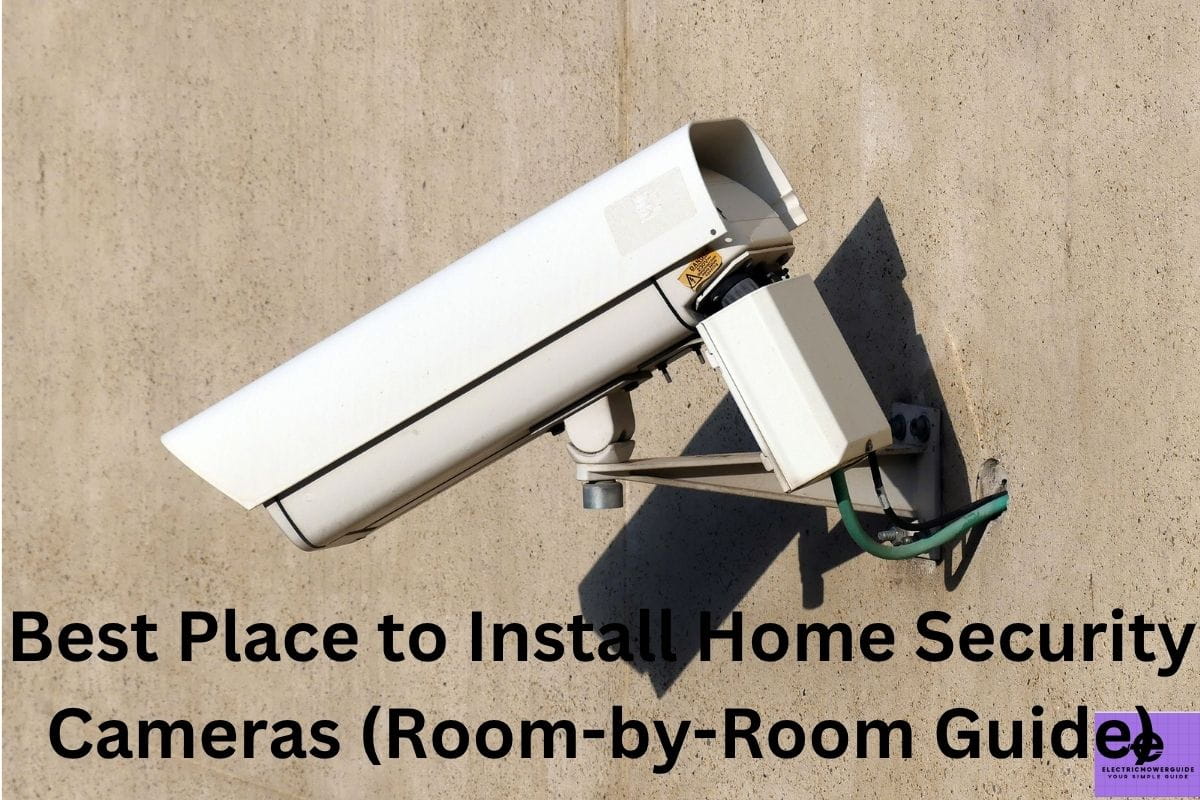
Do you know how important it is to choose the best place to install home security cameras? It is just as important as selecting the right camera.
If you install the cameras in wrong locations, even the most advanced security systems can’t provide effective protection.
If you place the cameras in the right place, it helps you to eliminate blind spots, capture clear footage, and deter potential intruders before they reach your home.
Wherever you are installing cameras, indoors or outdoors, you should know where to position them can significantly improve your home security.
In this guide, we shall cover the best place to install home security cameras, common placement mistakes to avoid, and my tips to help you maximize coverage and keep your property and loved ones safe.
Best Places to Install Home Security Cameras for Maximum Protection
Why Security Camera Placement Matters
For an effective home surveillance system, proper security camera placement is essential.
If you install cameras in the right locations, it ensures you to capture clear footage of people who are entering or leaving your property.
If you install cameras in well-positioned place, it can also act as a visible deterrent discouraging potential intruders from targeting your home.
And also, addition to that, strategic placement improves motion detection, reduces false alerts, and it will help you to identify important details such as faces, license plates, and suspicious activity.
If you choose carefully where to install your security cameras, you can maximize their performance, enhance your home’s overall security, and gain greater peace of mind.
Install a Camera at Your Front Door
Do you know which is the important place to install your home security camera?
It is your front door.
It is one of the most important places to install because a large percentage of deliveries, visitors, and potential intruders approach through your main entrance.
You should position the camera about 8 to 10 ft above the ground and angle it downward to capture clear views of faces, you can also keep it out of easy reach.
You should make sure the camera covers the porch doorway and nearby walkway without obstructions.
If possible, you can also choose a model with motion detection, night vision, and two-way audio to monitor activity, communicate with visitors, and receive instant alerts whenever someone approaches your front door.
Monitor Your Back Door and Side Entrances
Your back doors and side entrances are common access points for intruders, because they are often less visible from the street.
If you install security cameras in these areas, it will help you to monitor anyone attempting to enter your home unnoticed.
You should position the camera high enough to prevent tampering while ensuring they provide a clear view of doors, gates, and nearby pathways.
You can select weather resistant outdoor cameras with night vision and motion detection for reliable protection at all hours.
If you monitor these secondary entry points, it will closes your security gaps and creates a more complete surveillance system around your property.
Cover Your Driveway and Garage
Usually your driveway and garage are the places where it contains vehicles, tools, bicycles, and other expensive belongings. So, these are valuable areas to monitor.
If you install a security camera covering these locations, it can help you to detect suspicious activity, record vehicle movement, and it will capture important details such as faces or license plates.
You should install the camera high enough to provide a wide viewing angle while avoiding glare from headlights or direct sunlight.
Some of the garage has multiple entry points. If you have like that, you should ensure they are all within the camera’s field of view.
If you choose a camera with night vision, motion detection, and high resolution recording, it will provide reliable protection for your property day and night.
Watch Your Backyard and Outdoor Living Areas
As like front of your home, your backyard and outdoor living areas deserves the same level of protection.
Mostly, these spaces include patios, decks, pools, sheds, gardens, and outdoor furniture which can attract thieves or become vulnerable to unauthorized access.
If you install security cameras in these locations, it allows you to monitor activity, protect valuable equipment, and you can keep an eye on children or pets playing outside.
You should position the camera in a way to cover gates, fences, and common entry points by minimizing the blind spots.
If you choose weatherproof camera with night vision and motion detection, it will ensure reliable surveillance and clear footage in all weather and lighting conditions.
Place Indoor Cameras in High-Traffic Areas
You should install indoor security cameras in high-traffic areas where people naturally pass through.
These indoor locations include living rooms, hallways, staircases, and entryways. Because these spaces provide a broad view of movement inside your home.
If you place camera in these central areas, it will help you to monitor daily activity, detect unauthorized entry, and you can quickly identify anyone moving between rooms.
You can position the camera in elevated corners for the widest possible field of view.
You should avoid direct sunlight or reflective surfaces that may affect image quality.
For your privacy, you can avoid installing cameras in bedrooms and bathrooms unless absolutely necessary.
Avoid Common Security Camera Placement Mistakes
If you install your cameras incorrectly, even the best home security cameras can perform poor.
You should avoid placing cameras too low because they can be easily tampered with or vandalized.
You should not aim cameras directly into bright sunlight or strong outdoor lights because it produces glare which can reduce the image quality.
You should make sure trees, bushes and other objects do not block the cameras view or trigger unnecessary motion alerts.
You can also check that wifi cameras receive a strong signal for reliable performance and uninterrupted recording.
And finally, you should respect your neighbors privacy. You should position cameras to monitor only your property whenever possible. It will ensure effective and responsible surveillance.
My Tips for Creating Complete Home Camera Coverage
You can create complete home camera coverage by thoughtful planning rather than simply installing more cameras.
You should walk around your property to identify vulnerable entry points, blind spots, and areas with valuable belongings.
You should combine outdoor and indoor cameras to provide full protection.
You should ensure each camera has overlapping coverage wherever possible.
You should regularly test camera angles, motion detection, and you can record quality to confirm everything is working properly.
You should keep your camera lenses clean and update firmware to maintain optimal performance and security.
If you follow strategical placing and maintaining your cameras, you can build a reliable surveillance system which protects your home and provides lasting peace of mind.