
Last Updated on March 18, 2026 by Shakitha
Introduction
When choosing an electric riding lawn mower, most homeowners focus on cutting width or motor power, but the battery type is just one of the most important factor to consider.
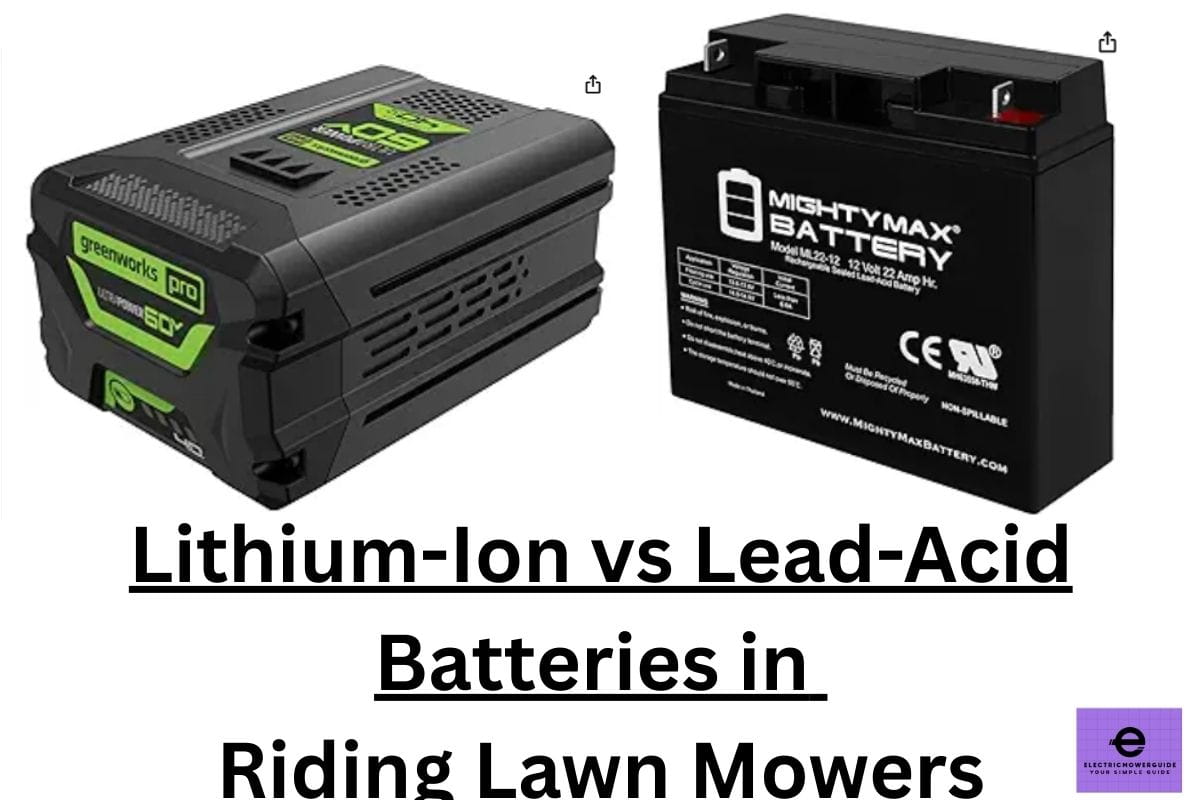
In my 10+ years working experience with electric lawn equipment, I’ve seen how the right battery can make mowing smooth and efficient, while the wrong battery leads to frustration. Today, the biggest debate is Lithium-Ion vs Lead-Acid Batteries in Riding Lawn Mowers.
Each has its pros and cons, especially when it comes to performance, cost, and maintenance. In this guide, I’ll break everything down in simple terms so you can make the best decision for your lawn.
Understanding Battery Types in Riding Lawn Mowers
Before comparing the both, let’s quickly understand what these batteries really are.
What Are Lithium-Ion Batteries?
Lithium-ion batteries are modern, lightweight, and widely used in electric tool equipment.
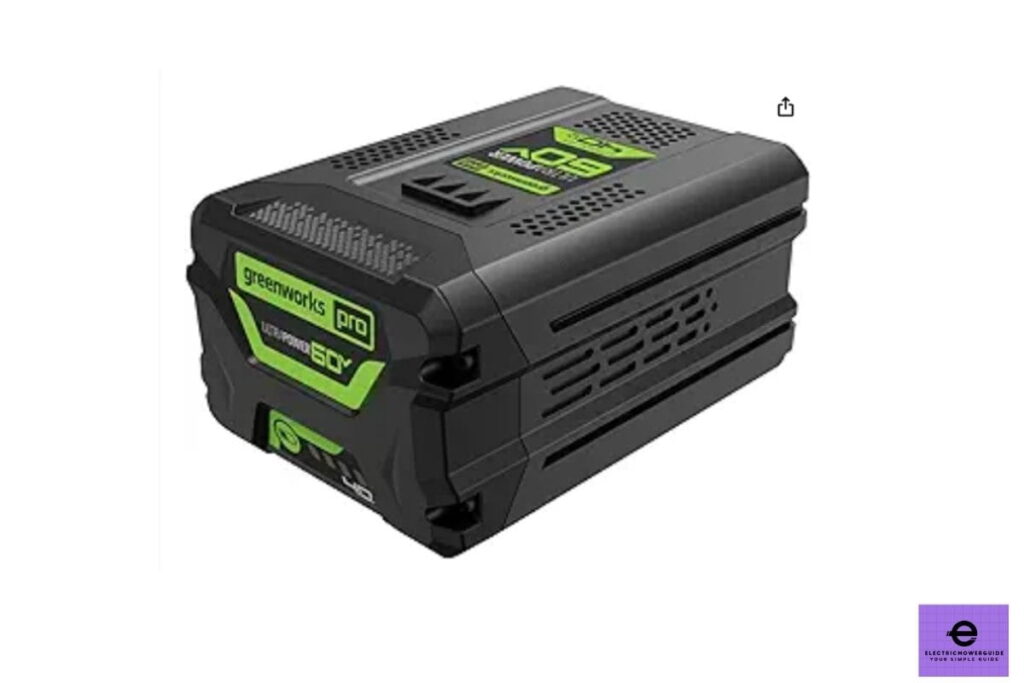
These batteries are found in most new electric riding mowers, It is known for fast charging and long lifespan and minimal maintenance is required for these type of batteries.
What Are Lead-Acid Batteries?
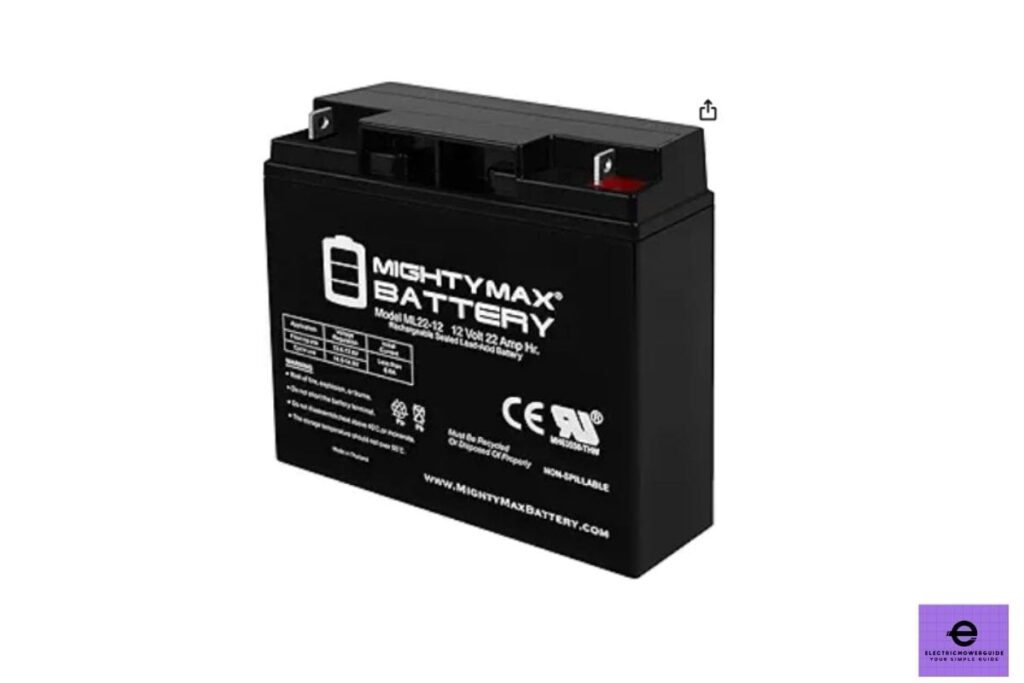
Lead-acid batteries are the older models, and it’s a traditional option.
Lead acid batteries are common in older and in budget mowers.
Its heavier and bulkier compared to lithium ion batteries.
These types of batteries require regular maintenance
Lithium-Ion vs Lead-Acid Batteries in Riding Lawn Mowers: Key Differences
Let’s compare lithium ion and Lead acid batteries side by side based on the real-world usage.
1. Performance and Power Output
Lithium-Ion Batteries
In my experience with all these years, when you use electric mowers on medium to large lawns, lithium-ion batteries provide consistent power from the session start to finish.
There will be no drop in performance as the battery drains. Even in thick grass you can expect smooth cutting.
Lead-Acid Batteries
Lead-acid batteries will lose their power as they discharge.
When the time runs out, the performance may become slower for lead acid batteries.
While cutting the wet grass, the lead acid batteries may struggle to perform.
So, the winner is here, Lithium-Ion batteries.
2. Charging Time
Lithium-Ion
The charging time for lithium ion batteries typically take 1 to 4 hours.
Lithium ion batteries can handle partial charging
Lead-Acid
Compared to lithium ion batteries, lead acid batteries take longer to charge 1 to 6 hours.
Lead acid ion batteries, needs full charging cycles
Real-World Insight
I’ve had days where I needed to finish mowing quickly. Lithium-ion saved me hours compared to waiting overnight with lead-acid.
So, here also the winner is Lithium-Ion
3. Battery Lifespan
Lithium-Ion
The average lifespan for lithium ion batteries lasts 3–5 years or more
And, it can handle more charge cycles
Lead-Acid
Lead acid batteries typically lasts 1–3 years
Compared to lithium ion batteries, lead acid batteries wear out faster.
Winner: Lithium-Ion
4. Weight and Handling
Lithium-Ion
Lithium ion batteries are light in weight and improves mower maneuverability
Lead-Acid
When you compare the lithium ion with lead acid, lead acid batteries are very heavy
Lead acid batteries make the mower harder to handle
My Personal Experience
When working on uneven lawns, I have noticed that, the lighter machines are easier to control and less tiring.
The Winner is Lithium-Ion
5. Maintenance Requirements
Lithium-Ion
Lithium ion batteries are virtually maintenance-free, yes really you don’t need any maintenance.
And you don’t need to do water topping or cleaning required
Lead-Acid
When I use a lead acid battery, I check regularly.
You need to refill the water and do cleaning on terminals.
Winner: Lithium-Ion
6. Cost Comparison
Lithium-Ion
The upfront cost of lithium ion batteries are high compared to lead acid battery.
But, it has a better long term value.
Lead-Acid
As I said earlier, lead acid batteries are cheaper compared to lithium ion batteries.
But, the maintenance and replacement cost is higher.
The winner is based on the budget you have.
If you want to know about best battery riding lawn mower, you can explore in this blog
Pros and Cons Breakdown
Lithium-Ion Batteries
Pros
- Fast charging
- Long lifespan
- Lightweight
- Low maintenance
- Consistent power
Cons
- Higher initial cost
- Sensitive to extreme heat
Lead-Acid Batteries
Pros
- Lower upfront cost
- Widely available
Cons
- Heavy
- Shorter lifespan
- High maintenance
- Slower charging
Real-World Usage Tips
From my years of working with electric lawn mowers, here are some practical tips:
For Lithium-Ion Batteries
- You need to avoid draining to 0% regularly
- Store the lithium ion batteries in a cool, dry place
- You should have to use the original charger
For Lead-Acid Batteries
- Check water levels monthly to avoid sudden breakdown.
- Keep the terminals clean
- Before the storage, charge the batteries full.
Which Battery Is Better for Different Users?
If you want convenience and you mow frequently choose lithium ion batteries. If you have medium to large lawn lithium ion is the best. And also, if you need to lower your maintenance cost, lithium is the best choice.
If you mow occasionally and you have a small yard you can choose lead acid batteries. And if you use lead acid batteries, your maintenance cost will be high.
Buyer Tips: What to Consider Before Choosing
1. Lawn Size
- Larger lawns benefit from lithium-ion efficiency
2. Budget
- Balance upfront cost vs long-term savings
3. Usage Frequency
- Frequent use = lithium-ion is worth it
4. Storage Conditions
- Hot climates may affect battery performance
Maintenance Advice for Longer Battery Life
Just like maintaining a mower blade keeps cuts clean, proper battery care ensures long life of the mower.
Follow this Simple Maintenance Checklist
- Charge after every use
- Avoid extreme temperatures
- Store properly during off-season
- Inspect battery condition regularly
Common Mistakes to Avoid
- Using the wrong charger
- Overcharging lead-acid batteries
- Ignoring maintenance
- Buying cheap, low-quality batteries
Conclusion
When comparing Lithium-Ion vs Lead-Acid Batteries in Riding Lawn Mowers, the choice ultimately depends on what you need and your budget. However, in my experience, lithium-ion batteries clearly offer better performance, convenience, and long-term value. They make mowing easier, faster, and more enjoyable—especially if you regularly maintain your lawn.
If you’re serious about efficiency and want a hassle-free experience, I strongly recommend going with lithium-ion. But if you’re just starting out and need a budget option, lead-acid can still get the job done with proper care.
FAQs
1. Are lithium-ion batteries worth the extra cost?
Yes, they last longer, charge faster, and require less maintenance.
2. How long do riding mower batteries last?
Lithium-ion: 3–5 years
Lead-acid: 1–3 years
3. Can I replace a lead-acid battery with lithium-ion?
It depends on your mower model. Always check compatibility.
4. Which battery is better for large lawns?
Lithium-ion is better due to consistent power and longer runtime.
5. Do lithium-ion batteries require maintenance?
Very little compared to lead-acid batteries.